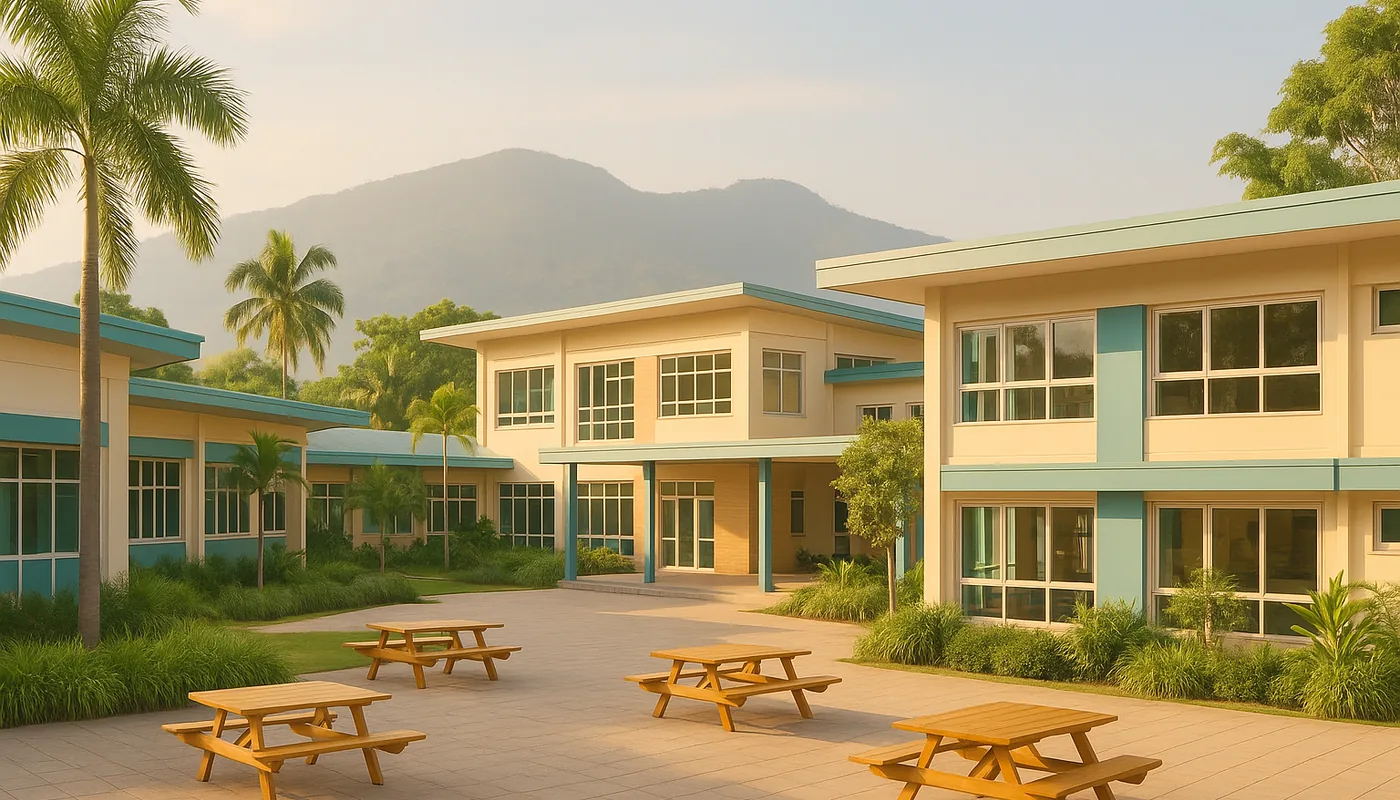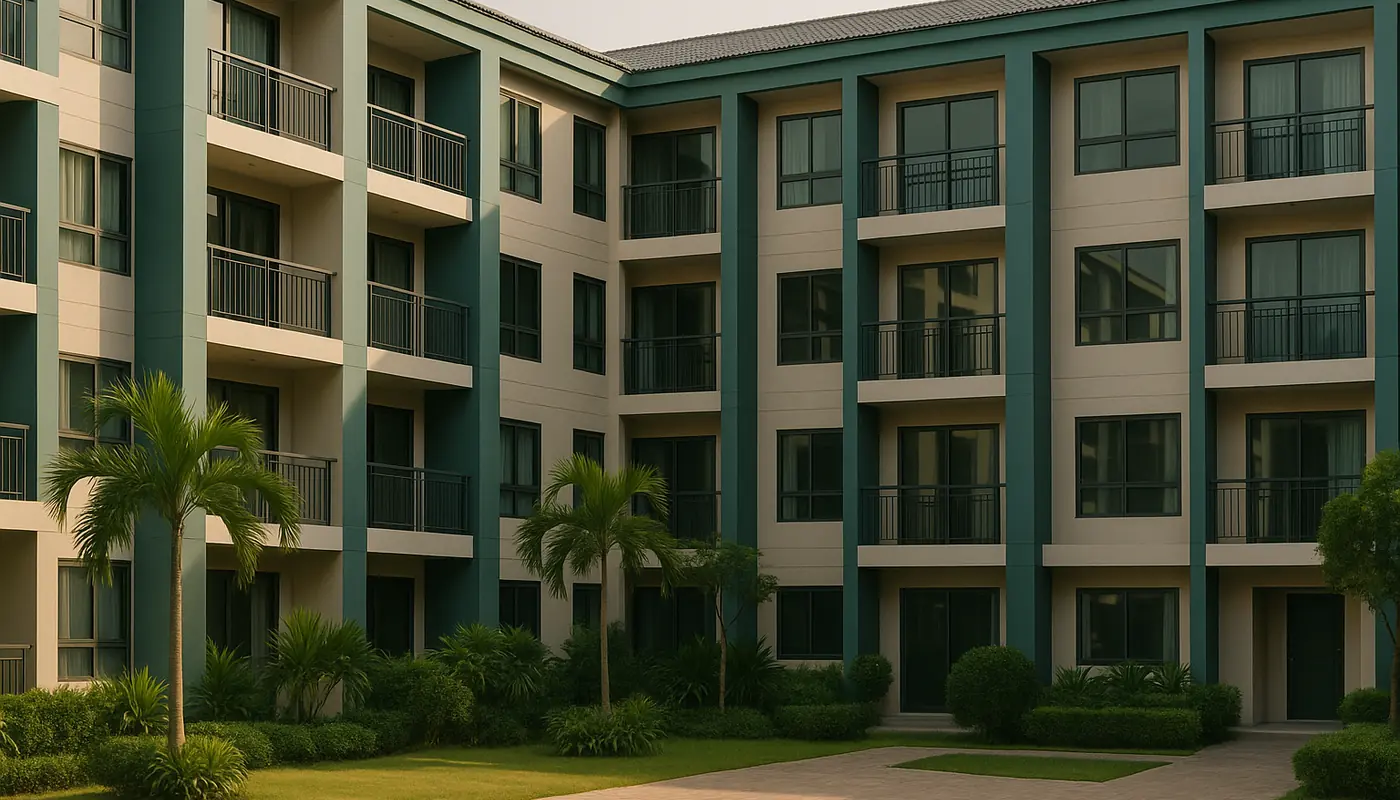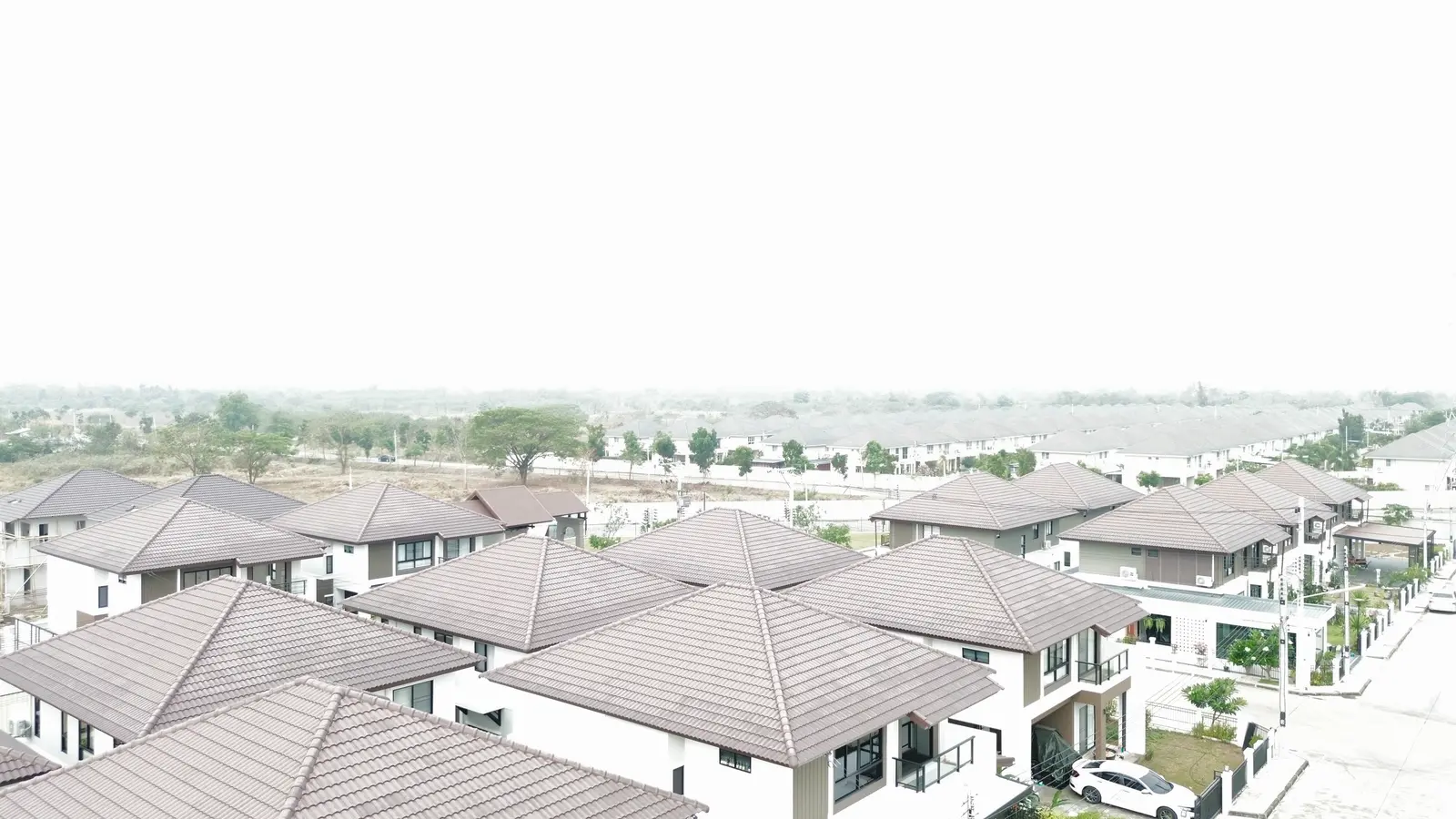
BOI vs Thai Company vs Foreign Quota: Choosing Your 2026 Ownership Vehicle
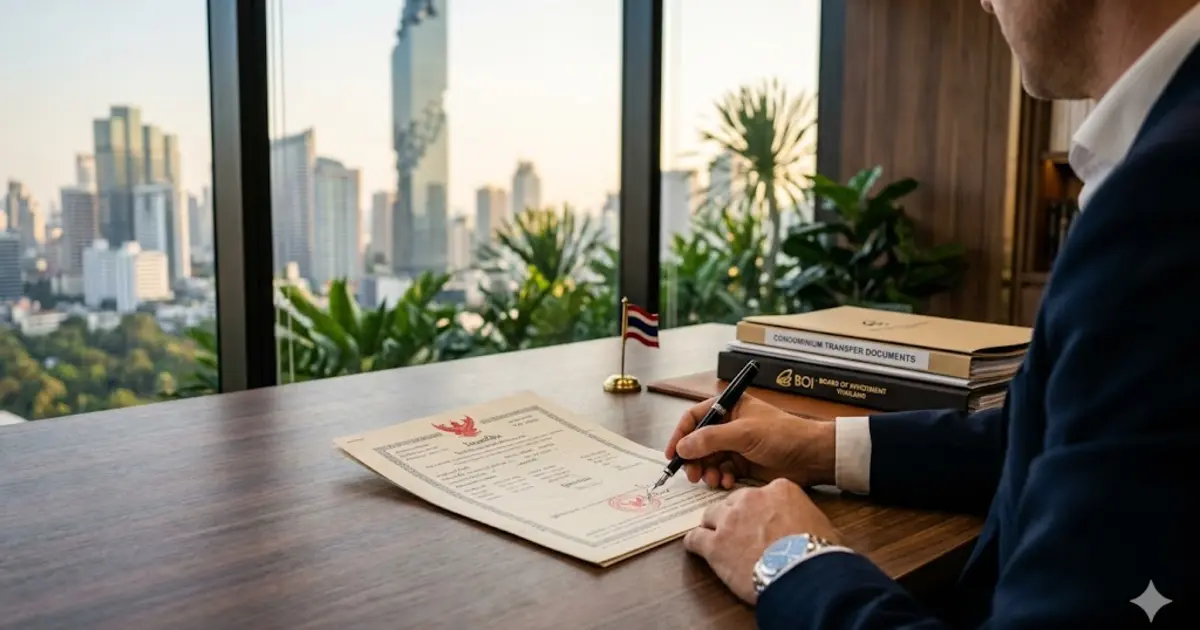
If you have between US$200,000 and US$2,000,000 to commit to a Thai home in 2026, you no longer have a "best vehicle." You have four very different vehicles, and three of them carry liabilities that didn't really exist five years ago. This is a 2026 buyer's playbook for choosing between Foreign Quota freehold, the Thai Limited Company, the BOI LTR Visa property bundle, and Leasehold — with the post-nominee-crackdown risks priced in.
1. Why This Decision Is Different in 2026
Through 2024, a foreign buyer with a budget could pick almost any ownership vehicle and find a Bangkok law firm willing to set it up. By Q2 2026, that universe has shrunk in two directions at once. The Department of Business Development (DBD) and the Ministry of Commerce have made the cost of using nominee shareholders genuinely terrifying — not theoretical, but criminal. At the same time, the Board of Investment has made its Long-Term Resident (LTR) Visa explicit about counting property as a qualifying asset.
The result: vehicles that used to be roughly interchangeable now sit on very different sides of the legality line. The first job for any 2026 buyer is to put each option on the right side of that line and price the risk into the deal.
The Key Insight
In 2026, ownership structure is the single most consequential decision a foreign buyer makes — more than location, more than developer reputation, and more than price negotiation. A US$400,000 Bangkok condo in Foreign Quota is a different asset class from the same condo held through a Thai Limited Company, even on the same chanote.
This guide complements our earlier reference on leasehold versus freehold, but goes further: we compare four full vehicles, not two title types. If you're brand new, also read our rental yield reality check first — vehicle choice depends on whether you actually plan to rent, and what kind of tenant you'll attract.
2. Foreign Quota Freehold — The Gold Standard, Now Scarce
Foreign Quota is the simplest, cleanest vehicle and remains the only structure that gives a foreigner unconditional, transferable, generational freehold to a Thai real estate asset. It is built on a single statute — the Condominium Act B.E. 2522 — and a single provision within it: Section 19.
The 49% Statutory Ceiling
Section 19 says that foreigners (individuals or juristic persons) may collectively own up to 49% of the total floor area of any condominium project. Above that line, the registrar at the Land Office cannot legally transfer title to a foreign buyer. There is no exception, no waiver, no fast-track. Despite recurring policy talk about raising the cap to 75%, no amendment has been gazetted as of May 2026.
The FETF / Tor Tor 3 Requirement
To register title under Section 19(1), every baht of the purchase price must be remitted from outside Thailand in foreign currency, then converted at a Thai bank. The bank issues a Foreign Exchange Transaction Form (FETF), historically called the Tor Tor 3. The remittance must equal or exceed the purchase price, and the wire instruction must explicitly state the purpose: "to purchase a condominium in Thailand."
In 2026, banking compliance has automated most of this, but the burden of proof remains with the buyer. Mis-coded transfers regularly delay closings by 30–60 days while the bank re-issues paperwork.
Quota Saturation in 2026
The catch is geographic. By mid-2026, the Foreign Quota has reached or is approaching saturation in the most desirable buildings:
| Location | Key Hubs | 2026 Quota Status |
|---|---|---|
| Bangkok CBD | Sukhumvit 1–55, Sathorn, Silom, Lumpini | Frequently 100% exhausted in Grade A+ |
| Bangkok Emerging | Rama 9, Ratchadaphisek, Riverside | 70–80% saturated near transit |
| Phuket | Bangtao, Cherngtalay, Kamala, Layan | Beachfront nearly exhausted; new launches gone within 4–6 months |
| Pattaya | Wongamat, Pratumnak, Jomtien | High saturation in branded residences; secondary is the main gateway |
| Chiang Mai | Nimmanhemin, Riverside | 35–40% utilization — the most foreign-buyable city |
Specific named projects already at or near their 49% line by mid-2026 include Tonson One Residence in Central Lumpini and COMMON TU near Thammasat in Bangkok, plus The Title Artrio and The Title Heritage in Bangtao/Cherngtalay (Phuket). For projects like these, the only remaining freehold option is the secondary market — the foreign quota travels with the unit.
True Cost of Acquisition
Plan for roughly 3.3% of purchase price in transactional friction on top of the headline number: 2% transfer fee (commonly split 50/50 with seller), 3.3% Specific Business Tax (paid by seller if held under 5 years, but it filters into your price), 0.5% stamp duty, and ~1% withholding tax. The 2% transfer fee is computed on the government's appraised value (which is usually below market), but the 3.3% SBT uses the higher of appraised or declared price.
Practical Tip
When a "Foreign Quota" unit costs 10–15% more than the equivalent "Thai Quota" unit in the same building, you're not being overcharged — you're paying for legal certainty. The premium is real and it compounds favorably on resale.
3. The Thai Limited Company — A Dying Workaround
For decades, foreign buyers who wanted landed property — villas, townhouses, plots — used a Thai Limited Company structure. The mechanics: form a company with Thai shareholders holding ≥51%, register the land in the company's name, and control the company through preferential share classes or voting rights. The 2024–2026 period has made this strategy fundamentally hostile to foreign buyers who don't operate a real business.
What Changed: Two Government Orders
Order No. 2/2568 (effective 1 January 2026) repealed the lenient 2012 registration guidelines (Order No. 205/2555). The DBD now requires Thai shareholders in any company with foreign shareholders or directors to prove the source of their investment funds. If a Thai shareholder cannot demonstrate that the capital came from their own resources, the registration is rejected or flagged for investigation.
Order No. 1/2569 (effective 1 April 2026) — the so-called "Investment Confirmation" order — requires Thai directors to sign a formal declaration that all shareholders genuinely invested and the company is not a nominee vehicle. Knowingly signing a false declaration carries criminal liability under the Thai Criminal Code. The DBD now coordinates with the Central Investigation Bureau to monitor companies that hold land but show no genuine business revenue.
The September 2024 Criminal Court Precedent
The most cited case in 2026 firm letters: on 11 September 2024, the Criminal Court sentenced 23 defendants — a mix of Thai nationals, foreigners, and juristic persons — for nominee offenses under the Foreign Business Act B.E. 2542. Under FBA Section 36 and Land Code Section 86, when a court finds a nominee structure, the land acquisition can be declared void, title cancelled, and the land ordered sold within a fixed period.
Warning: This Is No Longer a Paperwork Risk
Through 2023, a nominee Thai Company was a paperwork risk: worst case, you re-papered the structure. In 2026, it is a criminal-and-forfeiture risk. The land can be ordered sold from under you, and your Thai directors face the criminal liability. If you are not running a genuine, revenue-generating business in Thailand, this vehicle should be off your shortlist.
When the Company Structure Still Works
The Thai Limited Company is still a legitimate vehicle — for genuine businesses. If you operate a real Thai-registered enterprise (rental management firm, hospitality business, professional services firm) with employees, audited revenue, and a track record, the company can lawfully own land used in that business. The 2026 compliance cost is real:
| Annual Item | Cost (THB) | Cost (USD) |
|---|---|---|
| Audit fee (statutory) | 25,000–40,000 | ~$700–1,150 |
| Monthly bookkeeping | 5,000–10,000 | ~$140–280/mo |
| Corporate income tax | 20% of net profit | — |
| Min. paid-up capital for 1 work permit | 2,000,000 | ~$57,000 |
Estimated 10-year all-in cost: US$35,000–55,000, before tax on any actual profit. For a residential-only buyer, those costs are dead weight. For a genuine operator, they're already in the business plan.
4. The BOI LTR Visa Pathway — 2026's Quiet Winner
The single biggest structural shift of 2026 is that the Board of Investment's Long-Term Resident (LTR) Visa, governed by Announcement No. Por. 3/2568, has become an explicit residential-acquisition pathway rather than just a long-stay visa. It is now the closest thing Thailand offers to a "BOI-stamped property purchase."
The Four Categories That Matter
| LTR Category | Global Assets | Thai Investment | Income |
|---|---|---|---|
| Wealthy Global Citizen | US$1,000,000+ | US$500,000 | US$80,000/yr |
| Wealthy Pensioner (50+) | — | US$250,000 | US$40,000/yr |
| WFT Professional | — | — | US$80,000/yr |
| Highly Skilled Professional | — | — | US$80,000/yr (target sectors) |
For property buyers, only the first two categories matter. Qualifying assets must be held for a minimum of five years and now explicitly include freehold condominiums and, in BOI-approved projects, landed property or villas. Because the investment is sanctioned by the BOI directly, it is insulated from the nominee-investigation framework that haunts the Thai Limited Company route.
The 17% Flat Tax and Other Fiscal Sweeteners
Wealthy Global Citizen and Wealthy Pensioner LTR holders are generally exempt from Thai tax on foreign-sourced income, subject to residency and remittance rules. Highly Skilled Professionals qualify for a 17% flat personal income tax rate, the lowest in the region. Compare that to the standard Thai progressive rate that tops out at 35%, or to the Thailand Privilege (Elite) Visa, which gives you no tax incentive at all.
LTR vs Thailand Privilege (Elite)
| Feature | LTR Visa (2026) | Thailand Privilege (Elite) |
|---|---|---|
| Maximum term | 10 years (renewable) | 20 years (Reserve Tier) |
| Entry / membership fee | THB 50,000 processing | THB 650k – 5M |
| Investment test | Mandatory (US$250k–500k) | None |
| Income test | Mandatory (US$40k–80k) | None |
| Work permit | Included (digital work permit) | Strictly prohibited |
| Tax incentives | 17% flat or foreign-income exemptions | None specific to visa |
For a high-net-worth buyer who can document assets, the LTR is structurally superior in 2026. The Thailand Privilege program remains a lifestyle choice for buyers who either can't or don't want to disclose their global financials to the BOI.
The OSOS Processing Reality
The BOI processes LTR applications through its One-Start One-Stop Investment Center (OSOS). For a clean, well-documented applicant, approval typically lands in 60 days. For applicants with multi-jurisdictional holdings or unusual income structures, expect 90–120 days and a willingness from the BOI to ask sharp follow-up questions.
5. Leasehold — After the 90-Year Lease Died
Leasehold is the companion vehicle for buyers who can't or won't access freehold — typically villa buyers, or condo buyers in fully-saturated quota buildings. The legal landscape changed permanently in 2025 with one Supreme Court decision.
Supreme Court Decision No. 4655/2566
Section 540 of the Thai Civil and Commercial Code limits any lease of immovable property to a maximum of 30 years. Through the 2010s, developers marketed "30+30+30" structures — a 30-year registered lease plus two pre-paid, automatic renewal options, sold as a "90-year lease."
Supreme Court Decision No. 4655/2566, now widely enforced through 2025–2026, ruled that pre-agreed renewal clauses are legally void and unenforceable. The court was explicit: only the first 30 years registered at the Land Office are guaranteed. A renewal is a private agreement requiring mutual consent at the time of renewal and a new registration — it does not create a "real right" binding third parties or future owners of the land.
Any contract still marketed in 2026 as "90 years" or "99 years" is now actively misleading. The investor's terminal risk is real and significant.
When Leasehold Still Makes Sense
Despite the death of the long lease, 30-year leasehold is appropriate for several specific use-cases:
- Villa structures with split ownership — lease the land, own the building structure in your personal name. The "building" is a personal asset, the land is a 30-year leasehold. This is the standard pattern in Phuket and Koh Samui.
- Short-to-medium yield plays — if you're buying for 5–10 year rental yield (Bangtao yields range 5–8% in 2026) rather than generational appreciation, a 30-year lease prices in fine.
- Condo units in quota-exhausted buildings — but only if the entry price is discounted at least 25% relative to the freehold market. Anything less and the freehold premium is the better trade.
Registration is required at the Land Office for any lease over three years. Plan for a 1.0% registration fee on the total rent for the 30-year term, plus 0.1% stamp duty.
6. Side-by-Side: Cost, Risk, and Use-Case Matrices
The matrices below synthesize the four vehicles across three decision dimensions.
Cost Matrix — 10-Year All-In
| Structure | Setup (THB) | Annual Compliance | 10-Yr Est. (USD) |
|---|---|---|---|
| Foreign Quota | Purchase + 2% fees | Common area fees | $5,000–15,000 |
| Thai Company | 80k–150k | 100k–180k | $35,000–55,000 |
| BOI LTR Visa | 50k + investment | Property fees only | $2,000–5,000 |
| Leasehold | Price + 1.1% fees | Common area fees | $4,000–12,000 |
Risk Matrix — Legal & Regulatory
| Structure | Legal Enforceability | Tax / Audit Risk | Liquidity Risk |
|---|---|---|---|
| Foreign Quota | Absolute (freehold) | Low | Low — high demand |
| Thai Company | Precarious (nominee exposure) | Very high (2026 DBD) | High — complex exit |
| BOI LTR Visa | High (government backed) | Moderate (compliance) | Moderate (5-year hold) |
| Leasehold | Limited (30-year term) | Low | High — terminal value |
Use-Case Matrix — Vehicle by Asset Type
| Asset Type | Foreign Quota | Thai Company | BOI / LTR | Leasehold |
|---|---|---|---|---|
| Bangkok condo | Preferred | Discouraged | Recommended | Last resort |
| Phuket villa | N/A | High risk | Recommended | Standard |
| Rural land | N/A | Illegal (nominee) | Limited | Standard |
| Commercial | N/A | Valid (genuine operation) | Encouraged | Recommended |
7. Macro Context: The BOT June 2026 Meeting
Vehicle choice doesn't happen in a macro vacuum. The Bank of Thailand's Monetary Policy Committee unexpectedly cut the policy rate to 1.00% in early 2026 and held it through the April review. The June 2026 meeting is the next decision point, and the consensus expectation is "hold," with discussion centered on FDI rules, the foreign quota policy (no change confirmed yet), and the high household debt environment.
Two implications for the structure decision:
- The Baht is competitively priced for USD-funded buyers — the dovish policy rate has kept the Baht weaker than its 2023–2024 trading range. This lifts the real purchasing power of any LTR or Foreign Quota investment that needs to clear the FETF in foreign currency.
- Flight to quality is accelerating. CBRE and Savills 2026 outlooks both emphasize that Grade A+ assets and BOI-approved or Foreign Freehold titles are holding value while commodity stock — unbranded mid-tier developments without verified juristic health — is softening. This makes the LTR + Foreign Quota pairing structurally attractive.
Thailand's projected GDP growth for 2026 sits at 1.5–1.7%, down from earlier estimates. Foreign capital is being courted harder, not less hard, which is exactly why the LTR pathway is becoming the policy preference.
8. How to Actually Choose Your Vehicle
Here is the decision tree distilled from the matrices, calibrated to the 2026 enforcement and macro environment.
If You're Buying a Condo
Prioritize Foreign Quota freehold. In Bangkok, Phuket, and Pattaya, accept the 5–15% scarcity premium — it's real value, not a tax. Look at our active listings on BaanRow condo search filtered by foreign-quota availability. If the quota is exhausted in your target building, the secondary-market option is the same legal vehicle — your only friction is finding a willing seller.
Consider LTR Visa pairing if your purchase is ≥US$250,000 and you'd benefit from the 10-year residency + tax savings. This is the "buy the asset, get the visa, pay no tax on your foreign income" trade.
Accept 30-year leasehold only if the entry price is discounted ≥25% relative to a comparable freehold unit, or if there is no freehold available and you need this specific building for yield reasons.
If You're Buying a Villa or Landed Property
The Thai Limited Company route is reserved for buyers running a real Thai business. If your only "business" is renting out your own villa, do not use this structure in 2026. The DBD active-management test will find you.
The legitimate path is BOI LTR Visa with a BOI-approved project, sometimes combined with the building-leasehold split-ownership pattern. The BOI's villa pathway is narrow but real — and it's the only structure that gives a foreign individual any kind of state-blessed claim to landed residential property.
If You Plan to Rent or Manage Properties Professionally
The Thai Limited Company remains the right vehicle — but as a real operating business with employees, audited revenue, and a defensible business plan. See our guide on rental management for absentee foreign owners for what a legitimate operation looks like.
The 2026 Default Stack
For most foreign buyers in the US$250,000–2,000,000 bracket who want a Thai residence and clean tax treatment, the default in 2026 is: Foreign Quota condominium + LTR Visa (Wealthy Pensioner or Wealthy Global Citizen). The combination gives you absolute freehold title, 10-year renewable residency, work permit eligibility, foreign-income tax exemption, and zero exposure to nominee-investigation risk. Everything else is a specialized choice for a specialized situation.
The estate planning angle adds another consideration — read our guide on what happens to Thai property when a foreign owner dies for the succession side of the same decision.
Sources & References
- Office of the Council of State (Krisdika) — Thai Law Library — Source for the Condominium Act B.E. 2522 (1979) including Section 19 (49% foreign quota) and the FETF documentation requirements.
- Thailand Board of Investment — Long-Term Resident (LTR) Visa Program — Official BOI LTR criteria including Por. 3/2568 categories, investment thresholds, and tax benefits.
- Department of Business Development (DBD), Ministry of Commerce — Source for Orders No. 2/2568 and No. 1/2569 governing Thai shareholder fund-source verification and director declarations.
- Tilleke & Gibbins — Foreign Business Act Commentary — Bangkok-based law firm analysis of the Foreign Business Act B.E. 2542 (1999), including FBA Section 36 and Land Code Section 86 governing nominee enforcement and asset forfeiture.
- Supreme Court of Thailand — Decision Database — Supreme Court Decision No. 4655/2566 establishing that pre-agreed 30+30+30 lease renewal clauses are void.
- Bank of Thailand — Monetary Policy — Official MPC framework and rate-decision communications covering the 1.00% policy rate decisions through 2026.
- CBRE Thailand — Market Insights & Outlooks — 2026 outlook for the Thai residential market, including flight-to-quality dynamics and CBD luxury absorption rates.
- Real Estate Information Center (REIC) — Thailand's official property data agency, source for foreign quota saturation statistics by district and project.
- Savills Thailand Research — 2026 commentary on Bangkok CBD condominium pricing, luxury segment performance, and foreign-buyer activity.
- Knight Frank Thailand Research — Independent market data on Phuket and Pattaya foreign-buyer quota saturation and named-project absorption.
- Department of Lands, Ministry of Interior — Official Land Office authority for chanote title transfers, lease registrations, and the 1% lease registration fee schedule.
- Thai Revenue Department — Reference for the 17% flat tax regime applicable to Highly Skilled Professional LTR holders, plus the standard transfer-tax components (2% transfer / 3.3% SBT / 0.5% stamp / 1% WHT).
- ASEAN Briefing — Thailand Investment & Legal Updates — Reporting on the September 2024 Criminal Court nominee case (23 defendants), DBD Orders No. 2/2568 and No. 1/2569, and the 2024–2026 enforcement environment.
This article was researched using Gemini Deep Research (13 verified sources) and written with AI assistance. Last updated: 14 May 2026.