Can Foreigners Buy Property in Thailand? The Complete 2026 Guide

Can Foreigners Own Property in Thailand?
Thailand has long been a popular destination for international property buyers, thanks to its tropical climate, vibrant culture, and relatively affordable real estate prices. However, the legal framework governing foreign ownership of property is complex, with specific restrictions and regulations designed to protect national land interests. As of 2026, foreigners can indeed own property in Thailand, but with certain limitations and procedural requirements that must be carefully followed.
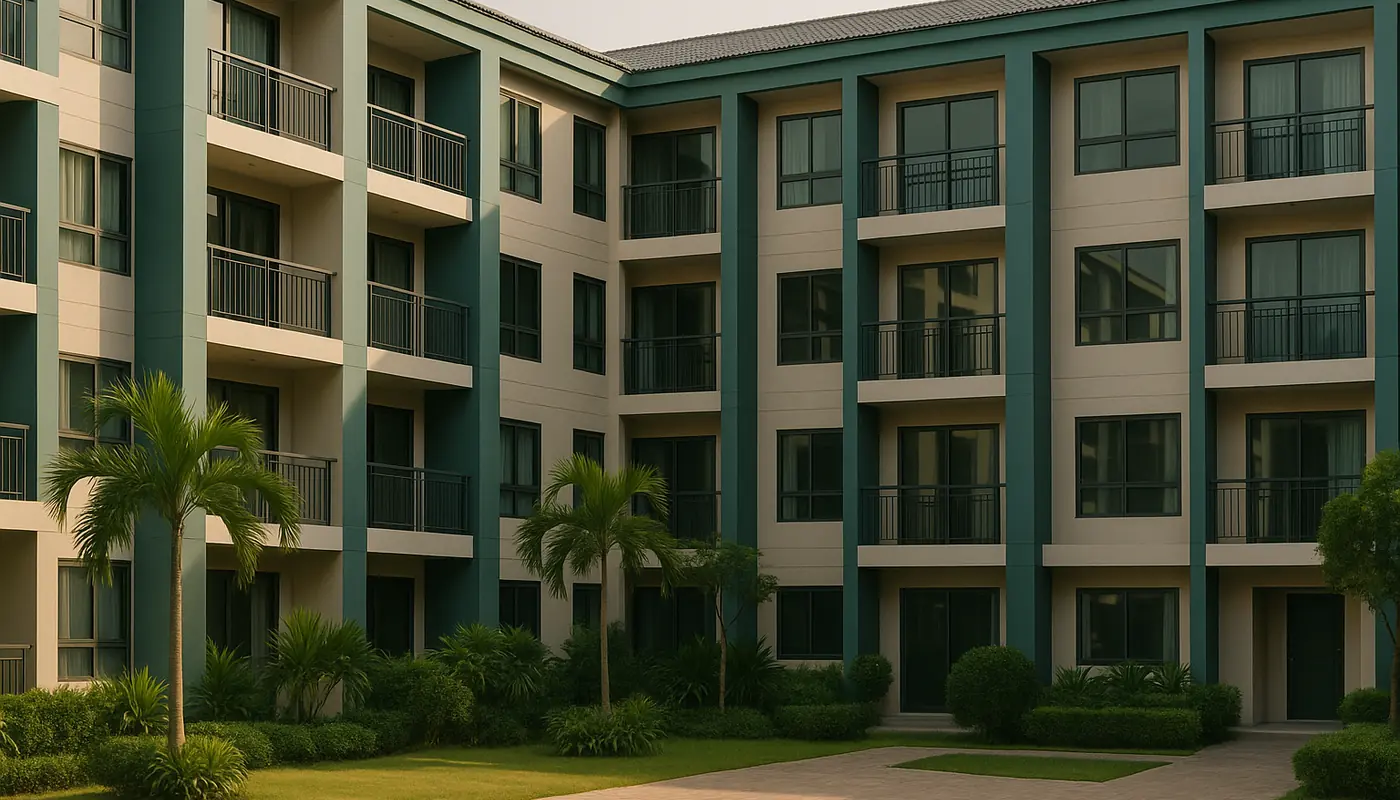
The primary avenue for foreign ownership is through condominiums, which are governed by the Condominium Act B.E. 2522 (1979). This law allows foreign nationals and entities to acquire freehold ownership of condominium units under specific conditions. Land ownership, on the other hand, remains largely restricted to Thai nationals, with exceptions such as long-term leases or special investment schemes.
The 49% Foreign Quota Rule (Condominium Act Section 19)
One of the most critical regulations for foreigners interested in condo ownership is the 49% Foreign Quota. According to Section 19 of the Condominium Act B.E. 2522 (1979), the total floor area of units owned by foreigners in any condominium project must not exceed 49% of the total saleable floor area of the entire building. This rule is designed to ensure that Thai nationals retain majority ownership of condominium projects.
Understanding Saleable Floor Area
Saleable floor area refers to the net usable space within each unit, excluding common areas such as hallways, elevators, and shared amenities. When calculating the foreign ownership quota, the Land Department considers the combined saleable area of all units owned by foreigners. This means that developers must carefully allocate units to stay within the legal limit and obtain the necessary Foreign Quota certificate.
Practical Implications of the Quota
Within a condominium project, there are typically two ownership categories:
- Foreign Freehold Quota: Units owned outright by foreigners with a Chanote (Title Deed).
- Thai Quota: Units owned by Thai nationals or entities, often with different legal arrangements.
Foreign buyers generally prefer units within the foreign quota because they allow for freehold ownership and easier resale to other foreigners, often commanding a premium of 10% to 15% over Thai quota units.
Freehold vs Leasehold: Understanding Your Options
Freehold Ownership
Under Thai law, foreigners are permitted to own condominium units freehold if the property falls within the 49% foreign quota. Freehold ownership provides the owner with a perpetual title, similar to property ownership in many Western countries, offering maximum security and the ability to pass the property to heirs.
Leasehold Ownership
Alternatively, foreigners can acquire rights to use property through long-term lease agreements, typically up to 30 years, renewable under certain conditions. Leasehold agreements do not grant ownership rights but can be suitable for those who do not wish to purchase outright or want flexibility.
It is important to note that leasehold arrangements are less favored for investment purposes because they do not provide the same security as freehold titles, especially in the context of inheritance and resale.
Company Structure: Why It's Risky in 2026
Historically, some foreign buyers attempted to bypass ownership restrictions by purchasing property through Thai companies. However, as of 2026, this approach has become increasingly risky due to stricter regulations and legal scrutiny.
Legal Risks and Restrictions
The Foreign Business Act B.E. 2535 (1992) and related laws impose restrictions on foreign ownership of Thai companies, particularly those holding land or property assets. Moreover, the Thai government has implemented measures to prevent the misuse of companies to circumvent ownership laws, including requiring transparent disclosures and compliance with the Foreign Business Act.
Conclusion
Using a company to own property in Thailand is generally discouraged in 2026 due to increased legal risks, potential tax complications, and the possibility of losing ownership rights. For foreigners seeking secure, long-term ownership, direct purchase of condominium units within the legal quota remains the safest route.
Step-by-Step: How to Buy a Condo as a Foreigner
- Research and Select Property: Use trusted platforms such as BaanRow.com to find suitable condominiums within approved projects.
- Verify Developer and Project Compliance: Ensure the project has obtained the necessary Foreign Quota certificate from the Land Department.
- Secure Financing: Arrange funds through an approved bank in Thailand, ensuring remittance in foreign currency and obtaining the appropriate Foreign Exchange Transaction (FET) form.
- Make a Reservation: Pay a reservation deposit, typically 10,000 to 50,000 USD, and sign a reservation agreement.
- Legal Due Diligence: Hire a qualified lawyer to review the sale and purchase agreement, ensuring compliance with Thai laws.
- Sign the Sale and Purchase Agreement: Finalize the contract, which should specify the payment schedule and transfer date.
- Transfer Funds: Remit payment via a bank transfer with proper documentation to meet foreign remittance requirements.
- Register Ownership: Complete registration at the Land Office, where the title deed is issued in the foreignerâs name.
Taxes and Fees You Need to Know
When purchasing property in Thailand, several taxes and fees apply:
- Transfer Fee: Typically 2% of the appraised value or purchase price, payable to the Land Department.
- Stamp Duty: 0.5% of the appraised value, applicable if no specific agreement is made for transfer fee payment.
- Withholding Tax: 1% of the assessed value if the property is sold within five years of acquisition.
- Specific Business Tax (SBT): 3.3% of the higher of the appraised or sale price if applicable.
- Additional Fees: Notary fees, legal fees, and agent commissions, which vary depending on the service provider.
It is advisable to work with a local lawyer to ensure all taxes are correctly calculated and paid to avoid penalties.
Red Flags and Common Scams to Avoid
Despite Thailandâs robust legal framework, potential buyers should be vigilant against scams and dishonest practices:
- Unverified Developers: Always check developer credentials and project approvals with the Land Department.
- Fake Ownership Documents: Conduct due diligence to verify the legitimacy of the title deed and ownership transfer documentation.
- Unclear Payment Terms: Avoid transactions with vague or untransparent payment schedules.
- Pressure Sales Tactics: Be wary of aggressive sales tactics urging immediate decisions.
- Unlicensed Agents: Use licensed real estate agents and lawyers to facilitate your purchase.
Always seek legal advice before signing contracts or transferring funds to ensure compliance and protect your interests.
Visa Options for Property Owners
Owning property in Thailand can open doors to various visa options, especially for long-term stays:
- Non-Immigrant B Visa: For business or employment purposes, potentially facilitated by property ownership.
- Elite Visa: A premium residency program offering renewable 5-20 year visas for high-net-worth individuals.
- Retirement Visa (O-A): Available for individuals aged 50 and above, requiring proof of income or savings, independent of property ownership.
Itâs important to consult with Thai immigration authorities or legal experts to determine the most suitable visa based on your ownership status and long-term plans.
For more detailed property listings, visit BaanRow.com or explore properties in specific regions:
Sources & References
- Savills - Foreign Buyer's Guide to Thai Property Law (2025)
- CBRE Thailand - Real Estate Market 2026
- Global Property Guide - Thailand Market Analysis 2026
- Brer Rabbit Legal - Company Registration Rules 2026
- Thailand Condominium Act B.E. 2522, Section 19 — Royal Thai Government Gazette
- Civil and Commercial Code, Section 540 — Thai Property Law Reference
- Supreme Court Decision No. 4655/2566 (2025) — Thai Supreme Court Deka Database
This article was researched using Gemini Deep Research (62 verified sources) and written with AI assistance. All legal information cross-referenced against official Thai government publications. Last updated: 17 March 2026.