How to Buy a Condo in Thailand as a Foreigner: Complete Step-by-Step Guide 2026
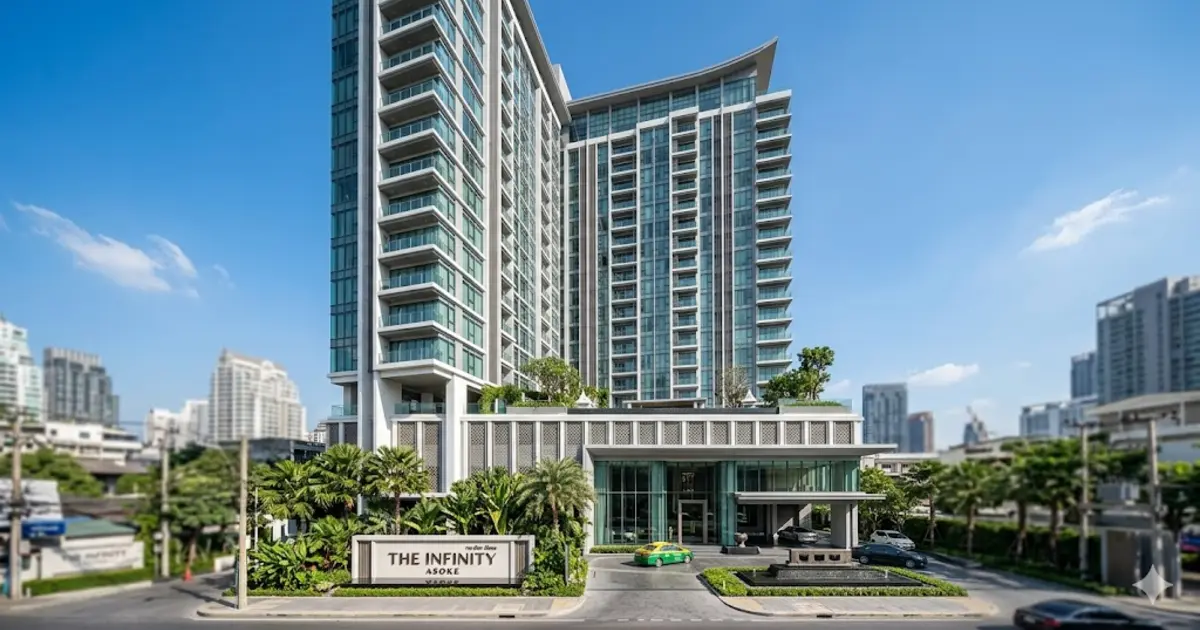
Buying a condominium in Thailand as a foreigner is not only possible — it is the single most straightforward form of property ownership available to non-Thai nationals. Unlike land, houses, or commercial buildings, a condo unit can be registered directly in your name with full freehold title. No Thai partner required. No corporate shell needed. No 30-year lease workaround.
But "straightforward" does not mean "simple." Between the Foreign Exchange Transaction (FET) form your bank must issue, the 49% foreign quota that can silently fill up, and the transfer fees that add 6–9% to your purchase price, the buying process has more moving parts than most foreigners expect.
This guide walks you through every step — from your first property search to the moment you receive your Chanote title deed at the Land Department. We have compiled data from over 30 verified sources, current Thai law, and 2026 market pricing to give you the most complete buyer's guide available.
Who This Guide Is For
First-time foreign buyers, expats relocating to Thailand, remote workers considering a base, and property investors looking at Bangkok, Pattaya, Phuket, Chiang Mai, or Hua Hin condos. Whether your budget is 2 million baht or 20 million baht, the legal process is the same.
Can Foreigners Actually Buy a Condo in Thailand?
Yes. Under the Condominium Act B.E. 2522 (1979), any foreigner who meets the legal requirements can own a condominium unit in their own name as freehold property. This is not a loophole or a gray area — it is an explicit right granted by Thai law.
Here is what foreigners can and cannot own:
| Property Type | Can Foreigners Own? | Ownership Type |
|---|---|---|
| Condominium Unit | Yes | Freehold (in your name, forever) |
| Land | No | Leasehold only (max 30 years, renewable) |
| House + Land | No | Can own building, not land underneath |
| Apartment (not registered as condo) | No | Rental only — no freehold possible |
The critical distinction: only registered condominiums under the Condominium Act allow foreign freehold ownership. An "apartment building" that is not registered as a condominium cannot be purchased by a foreigner, even if agents market it as such. Always verify that the building has a condominium registration certificate.
The Legal Framework: Condominium Act & the 49% Rule
The Condominium Act B.E. 2522 (enacted in 1979 and amended multiple times, most recently in B.E. 2551/2008) is the foundation of all foreign condo ownership in Thailand. Section 19 of this Act specifies exactly who qualifies and what conditions must be met.
The 49% Foreign Quota Rule
This is the single most important rule every foreign buyer must understand: foreigners collectively cannot own more than 49% of the total sellable floor area of any single condominium building. The remaining 51% must be owned by Thai nationals or Thai-registered entities.
Key details about how the quota works:
- The quota is calculated by total floor area (square meters), not by number of units
- Each building in a project may have its own separate quota calculation
- Once the 49% cap is reached, no more freehold units can be sold to foreigners in that building — additional foreign buyers can only obtain leasehold titles
- The Condominium Juristic Person (CJP) — the building's management entity — maintains the official foreign ownership records
- The Land Department will refuse to register a foreign freehold transfer if the quota would be exceeded
Warning: Quota Can Fill Without Warning
In popular Bangkok buildings (especially along Sukhumvit), the foreign quota can fill up years before all units are sold. A developer may tell you units are "available" without mentioning the quota is already at 47%. By the time you complete your purchase process, someone else may have taken the last freehold slot. Always get the quota status in writing from the juristic person before paying any deposit.
Section 19 Eligibility Requirements
To qualify for freehold ownership under Section 19, a foreigner must meet at least one of these conditions:
- Have a residence permit under immigration law
- Be permitted to enter Thailand under the Investment Promotion Act (BOI)
- Be a juristic person registered in Thailand (classified as foreign under the Foreign Business Act)
- Be a juristic person that is an investment promotee under the Investment Promotion Act
- Bring in foreign currency from abroad or withdraw from a Thai baht account of a person residing abroad — this is the route most foreign buyers use, requiring the FET form
In practice, condition 5 is the pathway used by the vast majority of foreign condo buyers. You do not need a visa, work permit, or residence permit — you simply need to prove that the purchase funds came from outside Thailand.
Proposed Changes (Not Yet Law)
Throughout 2024 and 2025, there have been public discussions about raising the foreign quota from 49% to 75% and extending leasehold terms from 30 to 99 years. As of April 2026, none of these proposals have become law. The 49% rule remains unchanged and firmly enforced.
Step-by-Step Buying Process (From Search to Keys)
Here is the complete process broken into seven stages. Most purchases take 30 to 90 days from reservation to transfer for a resale unit, and 1 to 3 years for off-plan.
Step 1: Search and Shortlist Properties
Start your search online using platforms like BaanRow.com, DDproperty, Hipflat, or FazWaz. You can also work with a licensed real estate agent. In Thailand, the seller typically pays the agent's commission (3% is standard), so buyer-side agency is often free.
When evaluating properties, consider:
- BTS/MRT proximity (critical for resale value and rental demand)
- Building age and management quality
- Foreign quota availability — ask before visiting
- Neighborhood safety, amenities, and walkability
- Floor level and view (affects price by 5–15%)
Step 2: Reserve the Unit
Once you find your unit, you sign a reservation agreement and pay a booking fee. This is typically THB 50,000 to THB 200,000 (approximately $1,400 to $5,600 USD). For new developments, it can be as low as THB 10,000.
The reservation agreement holds the unit for a specified period (usually 7–30 days) while you arrange financing and conduct due diligence. Under the new OCPB 2025 rules, reservation contracts must follow standardized terms that protect buyers from unfair clauses.
Step 3: Hire a Lawyer
This step is not legally required but is strongly recommended, especially for first-time buyers. A qualified Thai property lawyer will:
- Review and negotiate the Sale and Purchase Agreement (SPA)
- Conduct title deed verification at the Land Department
- Confirm the foreign quota has capacity
- Check for encumbrances, liens, and mortgages
- Guide you through the FET form process
- Represent you at the Land Department on transfer day (via Power of Attorney)
Typical legal fees range from $500–$1,500 USD for due diligence only, or $1,000–$3,000 USD for full transaction support including SPA review, transfer representation, and post-purchase registration.
Step 4: Conduct Due Diligence
See the full due diligence checklist below. This is where your lawyer earns their fee. At minimum, you need:
- Title deed (Chanote) verification at the Land Department
- Foreign quota confirmation letter from the juristic person
- Encumbrance and lien search
- Outstanding fee verification (common area fees, sinking fund)
Step 5: Sign the Sale and Purchase Agreement (SPA)
The SPA is the binding contract between buyer and seller. It should clearly specify:
- Full purchase price and payment schedule
- Transfer date and location (which Land Department office)
- How transfer fees and taxes will be split
- Conditions for default by either party
- Fixtures and furnishings included in the sale
The Thai-language version is the legally binding document. Always have your lawyer review this version, not just the English translation.
Step 6: Transfer Funds and Obtain the FET Form
This is the step most unique to Thailand. You must transfer the full purchase price from abroad in foreign currency. See the detailed FET section below. Without a valid FET form (or equivalent bank letter), the Land Department will not register your ownership.
Step 7: Transfer at the Land Department
On transfer day, both buyer and seller (or their authorized representatives via Power of Attorney) meet at the Provincial Land Office where the condo is registered. You will need:
- Original passport (with current entry stamp or visa)
- FET form or bank credit note
- Foreign quota confirmation letter from the juristic person (usually within 30 days of transfer)
- Signed SPA
- Transfer form (Tor Dor 21 / อ.ช. 21)
- Payment of all applicable fees and taxes
The Land Department officer will verify all documents, collect the fees, and register the transfer. You receive the original Chanote title deed with your name on it. The entire Land Department process typically takes 2 to 4 hours.
Sending Money to Thailand: The FET Form Explained
The Foreign Exchange Transaction (FET) form — formally known as the Thor Tor 3 (ธ.ท.3) — is the single most important document in the entire buying process for foreign nationals. Without it, the Land Department will refuse to register your ownership.
What Is the FET Form?
It is an official document issued by a Thai commercial bank confirming that foreign currency was remitted into Thailand and converted to Thai baht. It serves as proof that your purchase funds originated from outside the country, as required by Section 19(5) of the Condominium Act.
How to Get One (Step by Step)
- Open a Thai bank account — You will need a Thai bank account to receive the transfer. Most banks require your passport and a Thai address. Bangkok Bank, Kasikorn Bank (KBank), and SCB are commonly used.
- Instruct your home bank to wire in foreign currency — Send the full purchase amount from your bank abroad. The wire must be in foreign currency (USD, EUR, GBP, AUD, etc.) — do not convert to THB before sending, or the FET cannot be issued.
- Include the correct reference wording — Your wire transfer instruction must state: "For the purchase of condominium unit [Unit Number] at [Condo Project Name] for [Your Full Legal Name as per Passport]"
- Request the FET form from your Thai bank — For transfers of $50,000 USD or more, the Thai receiving bank is required by the Bank of Thailand to issue an FET form. For smaller amounts, the bank may issue a credit note letter instead, which the Land Department also accepts.
- Verify the details are correct — The FET must show: your full name (matching your passport), the amount in foreign currency, the THB equivalent, the purpose of transfer, and the originating bank.
Critical FET Mistakes to Avoid
- Converting to THB before sending — The receiving bank cannot issue an FET if the money arrives in baht
- Missing the purpose of transfer — If the wire reference does not mention "purchase of condominium," you may need to request a new transfer
- Splitting across multiple small transfers — While technically allowed, it creates complications. Consolidate where possible
- Using cash or crypto — Cash deposits into your Thai account will not generate an FET. Cryptocurrency transfers are not accepted as proof of foreign remittance
- Third-party transfers — The sender name should match the buyer name. If a family member sends the funds, additional documentation may be required
Processing Time
The international wire transfer typically takes 2 to 5 business days. The FET form is issued the same day as conversion or within 1–2 business days. Plan for at least one week between initiating the transfer and having the FET in hand.
Due Diligence Checklist: Protect Your Investment
Skipping due diligence is the most expensive mistake a foreign buyer can make. Here is the complete checklist your lawyer should work through before you sign the SPA:
| Check | What to Verify | Where to Verify |
|---|---|---|
| Title Deed (Chanote) | Seller's name matches, correct unit number, no forgery | Land Department office |
| Encumbrances | No mortgages, liens, rights of way, or existing leases registered | Back of Chanote + Land Dept records |
| Foreign Quota | Quota not exceeded; capacity for your unit's floor area | Juristic Person (CJP) letter |
| Outstanding Fees | No unpaid common area fees, sinking fund, or utilities | Juristic Person records |
| Building Permits | Valid construction permit (Por Ror 1), EIA approval for off-plan | Local government office |
| Condominium Registration | Building is legally registered as a condominium (not just an "apartment") | Land Department |
| Seller Identity | Person selling matches registered owner; no unauthorized agents | ID check + Chanote |
| Zoning Compliance | Building complies with City Planning Act zoning regulations | Local zoning office |
| Juristic Person Health | Financial statements, maintenance reserves, pending lawsuits | CJP annual meeting records |
Pro Tip: The Chanote Back Page
The front of a Chanote title deed shows the owner's name and property details. The back page is where all encumbrances are recorded — mortgages, liens, leases, and rights of way. Your lawyer should always inspect the original back page, not just a photocopy of the front. Scammers commonly show front-page copies while the original deed is pledged as collateral elsewhere.
Every Cost and Fee You'll Pay (Complete Breakdown)
The purchase price is just the beginning. Budget an additional 6% to 9% of the purchase price to cover all government fees, legal costs, building fees, and one-time payments. Here is the complete picture for a THB 5,000,000 (approximately $140,000 USD) condo purchase:
Government Transfer Fees and Taxes
| Fee | Rate | Paid By | Amount (THB) |
|---|---|---|---|
| Transfer Fee | 2% of appraised value | Split 50/50 (negotiable) | 100,000 |
| Specific Business Tax (SBT) | 3.3% of appraised or sale price | Seller (if held <5 years) | 165,000 |
| Stamp Duty | 0.5% of appraised or sale price | Seller (if held >5 years) | 25,000 |
| Withholding Tax | Progressive rate (1%–3%) | Seller | 50,000–150,000 |
Important: SBT and Stamp Duty are mutually exclusive — you pay one or the other, never both. If the seller has owned the property for less than 5 years, SBT (3.3%) applies. If more than 5 years, Stamp Duty (0.5%) applies instead.
The transfer fee is commonly split 50/50 between buyer and seller, but this is negotiable. In a buyer's market, you may be able to negotiate the seller covering the full 2%.
Note on Fee Reductions
Thailand periodically offers temporary transfer fee reductions (from 2% to 0.01%) as stimulus measures, such as during April 2025 – June 2026. However, these typically apply only to Thai nationals purchasing properties under THB 7 million. Foreign buyers generally still pay the standard 2% rate. Always confirm your eligibility with your lawyer before counting on reduced fees.
Building-Related Fees (Paid to Juristic Person)
| Fee | Rate | For 40 sqm Unit | Notes |
|---|---|---|---|
| Sinking Fund | THB 500–1,000 per sqm | THB 20,000–40,000 | One-time, non-refundable |
| Common Area Maintenance (CAM) | THB 40–100 per sqm/month | THB 1,600–4,000/month | Recurring, paid monthly or quarterly |
| Meter Installation | THB 5,000–15,000 | THB 5,000–15,000 | Electric + water (new builds) |
Professional Fees
| Service | Cost (USD) | Notes |
|---|---|---|
| Lawyer (due diligence only) | $500–$1,500 | Title search + quota verification |
| Lawyer (full transaction) | $1,000–$3,000 | SPA review + transfer + Power of Attorney |
| Real estate agent | 0% (buyer side) | Seller pays 3% commission in Thailand |
Financing Options: Can Foreigners Get a Mortgage?
Getting a mortgage as a foreigner in Thailand is difficult but not impossible. Most Thai banks do not lend to non-residents. However, a handful of institutions cater specifically to foreign buyers:
| Lender | LTV Ratio | Interest Rate | Key Requirements |
|---|---|---|---|
| UOB (Singapore/Thailand) | Up to 70% | 2.9%–5% fixed | Min loan ~$150,000 USD, Bangkok + select areas |
| ICBC (Thai) | 50%–70% | 3%–6% | Primarily Chinese nationals, expanding to other nationalities |
| Bangkok Bank (Singapore Branch) | Up to 70% | Varies | Offshore financing, Singapore-based |
| MBK Guarantee | Up to 50% | 7%–9%+ | Non-bank, flexible but expensive |
Reality check: The vast majority of foreign condo buyers in Thailand pay 100% cash. If you need financing, you are more likely to find better terms by borrowing against assets in your home country (home equity line, investment loan, etc.) and transferring the funds to Thailand, which also satisfies the FET requirement.
Key Eligibility Requirements
For the lenders that do serve foreigners, common requirements include:
- Valid work permit or long-term visa (for Thai-based lenders)
- Minimum income 3x the monthly repayment amount
- Age plus loan term must not exceed 60–65 years
- Property must be a registered condominium in an approved location
- Down payment of 30–50% of the property value
Off-Plan vs. Resale: Which Is Right for You?
Both options have distinct advantages and risks. Your choice depends on your timeline, risk tolerance, and budget.
| Factor | Off-Plan (New Build) | Resale (Existing Unit) |
|---|---|---|
| Price | Often 10–20% below completed value | Market price, sometimes negotiable |
| Payment | Staged (20–30% during construction, balance at transfer) | Full amount at transfer |
| What You See | Model unit and floor plans only | Actual unit, view, neighbors, build quality |
| Timeline | 1–3 years to completion | 30–90 days to transfer |
| Risk | Construction delays, developer bankruptcy, spec changes | Hidden defects, aging facilities, full foreign quota |
| Foreign Quota | Usually available (early buyers have priority) | May be full in popular buildings |
| Furnishing | Often "fully furnished" packages available | Negotiate individually |
Our Recommendation for First-Time Buyers
If this is your first Thai property purchase, a completed resale unit in a well-managed building is the lower-risk option. You can physically inspect everything, verify the foreign quota immediately, and complete the purchase within weeks rather than years. Save off-plan purchases for when you are more familiar with the Thai market and can evaluate developer track records. Browse available resale condos on BaanRow.com.
New Buyer Protection Rules (OCPB 2025)
Effective January 31, 2025, Thailand's Office of the Consumer Protection Board (OCPB) introduced significantly stronger protections for condo buyers through standardized "Controlled Reservation Contracts." These rules remain in effect through 2026 and beyond.
Key Protections
- Standardized contracts: Reservation contracts must follow OCPB-approved templates. Developers cannot add unfair clauses that override your rights.
- Refund rights: Reservation fees must be refunded within 15 to 45 days if your mortgage application is rejected or if the developer fails to meet construction milestones.
- Penalty caps: Limits the amount a developer can claim as damages if the buyer defaults. Previously, developers could forfeit all installments paid.
- Thai-language requirement: The Thai version of the contract is the legally binding document. English translations are supplementary only.
- Deposit protection: New rules specifically target deposit confiscation practices that previously left foreign buyers with no recourse.
Escrow: Optional but Recommended
Thailand does not require escrow for property transactions. However, the Thailand Escrow Business Act 2008 allows licensed banks and financial institutions to provide escrow services. For off-plan purchases, using escrow protects your deposits until the developer delivers the completed unit. If a developer refuses to use escrow, consider it a yellow flag.
Bangkok Condo Prices by Area (2026 Data)
Bangkok remains Thailand's most active condo market for foreign buyers. Here are current price ranges based on 2025–2026 market data from CBRE, Knight Frank, and Savills Thailand:
| Area | Price per sqm (THB) | Typical 1BR (THB) | Foreign Demand |
|---|---|---|---|
| Ultra-Prime (Wireless Rd, Lumpini, Chidlom) | 450,000–650,000+ | 25M–40M+ | Very High |
| CBD (Sukhumvit 1–21, Sathorn, Silom) | 250,000–380,000 | 8M–15M | High |
| Mid-Sukhumvit (Thonglor, Ekkamai, Phrom Phong) | 200,000–320,000 | 7M–12M | High |
| Riverside (Charoen Nakhon, Rama III) | 180,000–350,000 | 6M–18M | Growing |
| City Fringe (On Nut, Ari, Rama 9, Phra Khanong) | 120,000–180,000 | 3.5M–6M | Moderate |
| Outer Bangkok (Bang Na, Bearing, Bang Kapi) | 70,000–120,000 | 2M–4M | Lower |
For a deeper analysis of which Bangkok neighborhoods offer the best value for foreign buyers, see our Bangkok Neighborhoods Ranked: Where Should Foreign Buyers Invest in 2026.
Other Popular Markets for Foreigners
| City | Average Price/sqm (THB) | Top Foreign Nationalities | Key Appeal |
|---|---|---|---|
| Pattaya | 60,000–200,000 | Russian, Chinese, European | Beach lifestyle, lower entry price |
| Phuket | 80,000–250,000 | European, Australian, Russian | Resort living, strong rental market |
| Chiang Mai | 40,000–120,000 | Digital nomads, retirees | Low cost of living, mountain lifestyle |
| Hua Hin | 50,000–150,000 | Scandinavian, British, German | Quiet beach, golf, easy Bangkok access |
10 Scams and Pitfalls That Catch Foreign Buyers
Thailand's property market is largely legitimate, but foreigners are disproportionately targeted by bad actors. Here are the most common traps:
1. The Nominee Structure Trap
An agent suggests you set up a Thai company with Thai "shareholders" to buy land or a house. This is illegal. The Thai Land Department and Department of Business Development actively investigate nominee structures under the Foreign Business Act B.E. 2542. Penalties include fines, imprisonment, and forced disposal of the property. Enforcement has intensified in 2024–2026.
2. Quota Misrepresentation
You are told the unit is "freehold" when the building's foreign quota is already full. You would actually only receive a leasehold title (maximum 30 years), which is dramatically less valuable. Always get a written quota confirmation from the juristic person before paying any deposit.
3. The "Original Deed" Scam
The seller shows you a photocopy of the Chanote title deed, but the original is pledged as collateral for an informal debt or held by a moneylender. Always verify at the Land Department and insist on seeing the original deed.
4. Off-Plan Developer Bankruptcy
Small developers sell off-plan units, collect deposits and installments, then run out of money before completing construction. Research the developer's track record, check their completed projects, and verify construction permits and EIA approval.
5. Unfair Contract Terms
Before the 2025 OCPB reforms, developers routinely included clauses allowing them to forfeit all payments if the buyer defaulted or even if the buyer's mortgage was rejected. While the new rules help, always have a lawyer review the contract — especially the Thai-language version.
6. Overpriced "Foreign Pricing"
Some agents inflate prices by 10–30% for foreign buyers. Compare prices on multiple platforms, check the official Land Department appraised value (which is public), and look at completed transaction data on sites like BaanRow.com.
7. Hidden Maintenance Fees
A building with low CAM fees may actually have deferred maintenance — crumbling common areas, broken elevators, or empty sinking funds. Ask to see the juristic person's financial statements and the minutes from the last annual owners' meeting.
8. Rental Yield Exaggeration
Agents promise 7–10% rental yields, but the real average for Bangkok condos is 3–5% gross. For a data-driven analysis of actual yields, read our Thailand Rental Yields: What Brochures Promise vs. Reality.
9. Power of Attorney Abuse
An agent asks you to sign a broad Power of Attorney (POA) "for convenience." A general POA can allow someone to sell your property, take out loans, or make legal commitments in your name. Only sign specific, limited POAs for clearly defined purposes.
10. Ignoring the Resale Market
Many foreigners focus only on new developments because agents promote them heavily (higher commissions). Resale units in well-maintained buildings often offer better value, better locations, and immediate occupancy. Do not limit your search to new projects.
Realistic Timeline: How Long Does It Take?
| Stage | Resale Unit | Off-Plan Unit |
|---|---|---|
| Property search | 1–4 weeks | 1–4 weeks |
| Reservation + deposit | 1 day | 1 day |
| Due diligence | 1–2 weeks | 2–4 weeks |
| SPA signing | 1 week | 1–2 weeks |
| Fund transfer + FET | 1–2 weeks | Staged over 1–3 years |
| Land Department transfer | 1 day (2–4 hours) | 1 day (after completion) |
| Total | 30–90 days | 1–3 years |
After You Buy: Ongoing Obligations
Ownership comes with ongoing costs and responsibilities:
Annual Land and Building Tax
Since 2020, Thailand has imposed an annual Land and Building Tax on all property. For residential condos, the rate is 0.02% to 0.10% of the official assessed value (not market value). A condo assessed at THB 5 million would pay approximately THB 1,000–5,000 per year. Primary residences under THB 50 million receive a further discount.
Common Area Maintenance (CAM) Fees
Paid monthly or quarterly to the juristic person. CAM covers security, cleaning, elevator maintenance, pool upkeep, and common area utilities. Rates in Bangkok typically range from THB 40–100 per square meter per month. Luxury buildings can reach THB 150+/sqm.
Insurance
The building's structural insurance is typically covered by the juristic person. However, contents insurance (your furniture, electronics, and personal property) is your responsibility. Policies are affordable — approximately THB 3,000–8,000 per year for a standard unit.
Voting Rights
As a condo owner, you have voting rights at the annual co-owners' meeting. Important decisions — including CAM fee increases, sinking fund top-ups, and major repairs — require approval by the co-owners. Your vote counts proportionally to your unit's floor area. For more on the tax obligations of foreign owners, see our detailed Thailand Property Tax Guide for Foreign Owners 2026.
Frequently Asked Questions
Do I need a visa to buy a condo in Thailand?
No. You do not need any visa, work permit, or residence permit to buy and own a freehold condo. You only need to prove funds were transferred from abroad (the FET requirement). You will need a valid passport with a current entry stamp or visa for the Land Department transfer.
Can I rent out my condo?
Yes. Foreign-owned condos can be legally rented out. Long-term rentals (12+ months) are straightforward. Short-term rentals (less than 30 days) may be restricted by building rules and local regulations, particularly in Bangkok where Airbnb-style rentals without a hotel license are technically illegal under the Hotel Act B.E. 2547.
Can I sell my condo later?
Yes. You can sell to anyone — Thai or foreign. If selling to another foreigner, the buyer must satisfy the FET requirement independently. If the foreign quota is full, the buyer may only be able to obtain a leasehold title, which reduces your pool of potential buyers.
What happens if I die? Can my family inherit?
Yes, but with conditions. Under the Condominium Act, a foreigner can inherit a condo unit even if it would push the building's foreign quota above 49%. However, the inheriting foreigner must still qualify under Section 19 (typically by being in a country that allows Thai nationals to own property). If the inheritance would exceed the quota and the heir does not qualify, they must dispose of the unit within one year.
Do I need to be in Thailand for the transfer?
Not necessarily. You can appoint someone to act on your behalf through a specific Power of Attorney (POA). The POA must be notarized and, if executed outside Thailand, should be legalized by the Thai Embassy or Consulate in your country. Your representative can then appear at the Land Department on your behalf.
How much should I budget in total?
A good rule of thumb: budget the purchase price plus 7–9% for all additional costs (government fees, legal fees, sinking fund, meter installation, and the first year of CAM fees). For a THB 5 million condo, that means having approximately THB 5,350,000–5,450,000 available.
Sources & References
- Thailand Condominium Act B.E. 2522 (1979) — Royal Thai Government Gazette, full legal text via Krisdika
- Bank of Thailand Foreign Exchange Regulations — Official FET form and foreign currency transfer rules
- Banyan Group Residences — How To Buy Property In Thailand As A Foreigner (2026 Update)
- Taxes For Expats — Can Americans Buy Property in Thailand? 2026 Rules & Options
- Neginski Real Estate — Buying a Condo in Thailand in 2026: Rules for Foreigners
- PropertySpace Thailand — How to Buy a Condo in Thailand as a Foreigner (2026 Guide)
- ExpatDen — How to Buy a Condo in Thailand as a Foreigner in 2026
- LEX Bangkok Law Office — Can Foreigners Buy Condominiums in Thailand? (2025 Update)
- Ocean Worldwide Property — Foreign Quota in Thai Condos: Navigating the 49% Rule
- Thailand Law Online — Legal Guide: Buying a Condominium as a Foreigner
- Terms.Law — Thailand Condo Foreign Quota: The 49% Rule Explained
- Forbes & Partners — Thailand Property Transfer Fees & Tax Guide (2025/2026)
- Realting — Thailand Property Taxes and Fees for Foreign Buyers: 2026 Guide
- Varsovia Estate — Thailand Property Taxes 2026: Rates for Buyers
- Thavorn Asia Property — FET Form Thailand: Complete Guide for Foreign Buyers 2025
- Sunway Estates — The Foreign Exchange Transaction (FET) Form in Thailand
- SamuiForSale — Foreign Exchange Transaction Form Requirements
- Jirawat Law Office — Essential Due Diligence for Foreign Property Buyers in Thailand
- Go Law Phuket — Real Estate Due Diligence Thailand: Legal Verification for Property Investment
- Thai Law Online — Buying a Condo in Thailand: The 2026 Complete Guide for Foreigners
- FazWaz — Can a Foreigner Get a Bank Loan and Mortgage in Thailand?
- Chiang Mai Properties — Financing a Property in Thailand: The 2026 Foreign Buyer's Guide
- Expatica Thailand — How to Get a Mortgage in Thailand in 2026
- Siam Real Estate — Buying Property in Thailand as a Foreigner 2026: Legal Guide
- Alestria Property — Can Foreigners Buy Property in Thailand? 2026 Rules, Costs & Ownership Guide
- Bamboo Routes — Condo Prices Update in Bangkok (2026)
- Global Property Guide — Thailand's Residential Property Market Analysis 2026
- Conrad Properties — How to Buy Property in Thailand as a Foreigner: Essential Steps (2025 Guide)
- Central City Property — Understanding the 49% Foreign Quota Rule in Condominiums
- Central City Property — Condo Fees and Sinking Funds in Thailand
- AIM Bangkok — Buying a Condo in Thailand: A Practical Guide for Foreigners
- RE/MAX Thailand — What is a Foreign Quota Condo in Thailand?
This article was researched using Gemini and 32 verified web sources, cross-referenced with current Thai law and 2026 market data. Written with AI assistance. Last updated: April 16, 2026.