Почему покупка кондоминиума в Бангкоке рядом с BTS может стать вашей худшей инвестицией в 2026 году
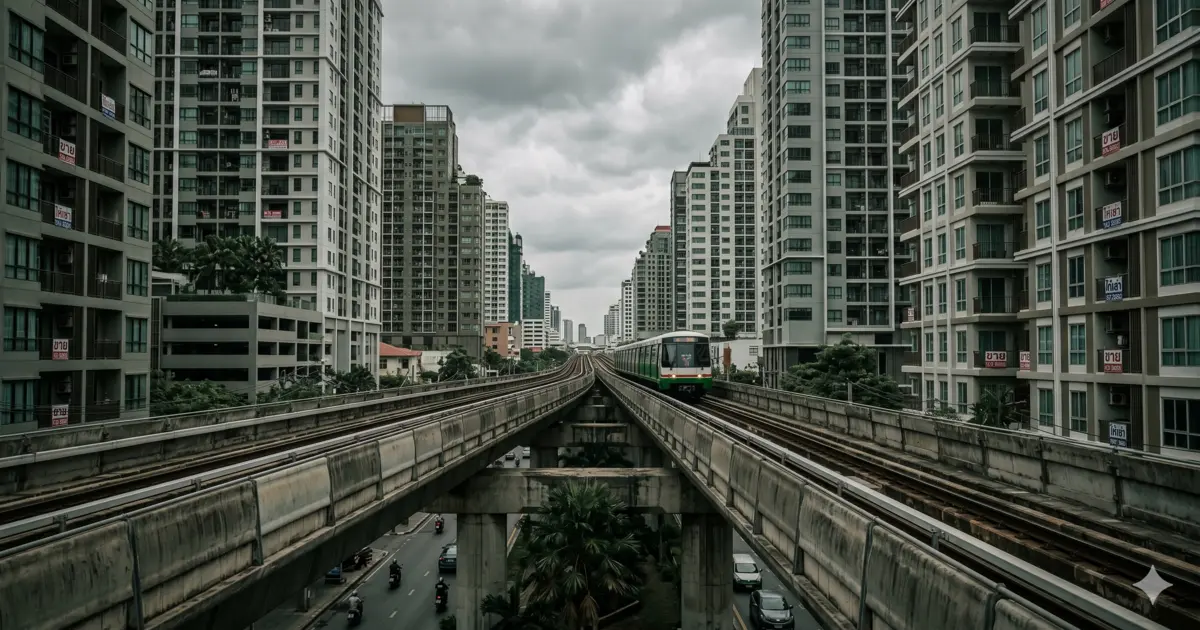
Каждый риелтор в Бангкоке будет говорить одно и то же: «Покупайте рядом с BTS». Это первая заповедь тайских инвестиций в недвижимость, повторяемая так часто, что стала чем-то вроде евангелия. Но что, если этот универсальный совет приводит тысячи иностранных покупателей к одной из самых дорогих ошибок, которые они когда-либо совершат?
В 2026 году, когда 58 400 кондо с нераспроданными квартирами стоят в запасах Бангкока, ставки вакантности в ключевых районах CBD достигают 18-22%, а новая тарифная структура BTS радикально изменила экономику жизни рядом с транспортом, самое время оспорить мантру «покупайте рядом с BTS». Данные рассказывают гораздо более сложную историю, чем хочет, чтобы вы услышали ваш агент по недвижимости.
Евангелие BTS, которое проповедует каждый
Зайдите в любую риелторскую контору Бангкока, посетите любую конференцию по недвижимости или откройте любой форум экспатов — и вы столкнетесь с почти религиозной преданностью близости к BTS. Аргумент примерно такой: кондо рядом с BTS сдают быстрее, стоят дороже и растут в цене лучше.
И исторически это действительно было так. Когда BTS Skytrain открылся в 1999 году, он преобразил ландшафт недвижимости Бангкока. Недвижимость рядом с исходными линиями Sukhumvit и Silom показала невероятную прибавку — в некоторых районах стоимость росла до 500% за два десятилетия.
Но вот что никто не говорит: премия BTS, которая сделала ранних покупателей богатыми, — это ровно то, что сегодня может сделать покупку рядом с BTS потенциально катастрофичной. Условия, которые создали эти результаты, больше не существуют, и во многих случаях фундаментальные показатели развернулись в обратную сторону.
Премиальная ловушка: вы переплачиваете на 40-80% за станцию
Начнем с самой очевидной проблемы: цена. По состоянию на начало 2026 года медианная цена кондо в Бангкоке составляет примерно 125 000 бат за квадратный метр. Но стоит оказаться в пешей доступности от станции BTS в «прайм»-зоне — и вы видите совершенно другой рынок.
| Локация | Цена/кв.м (THB) | Премия против медианы |
|---|---|---|
| Медиана Бангкока | 125,000 | Базовый уровень |
| Sukhumvit (рядом с BTS) | 220,000 - 350,000 | +76% до +180% |
| Ploenchit / Chidlom | 300,000 - 450,000 | +140% до +260% |
| Thonglor / Phrom Phong | 220,000 - 350,000 | +76% до +180% |
| Внешний BTS (Lat Phrao / Bang Na) | 70,000 - 125,000 | -44% до 0% |
Эта премия 76% to 260% поверх медианы Бангкока — это деньги, которые вы платите за близость к железнодорожной станции, а не за саму квартиру, не за качество здания и не за вид. Для типичной квартиры с 1 спальней площадью 35 кв.м выбор BTS-ориентированной локации в Sukhumvit вместо сопоставимой квартиры в районе вне транзитной зоны может стоить вам дополнительных 3.3 to 7.9 million baht ($95,000 to $225,000 USD).
Главный вопрос
Стоит ли близость к станции BTS дополнительных 3-8 миллионов бат? Или эти деньги могли бы дать более высокую доходность, если вложить их в другое место? Как вы увидите, математика все чаще говорит: нет.
Цунами избыточного предложения вдоль транспортных коридоров
Грязный секрет рынка кондо Бангкока таков: самый совет, который говорит всем «покупайте рядом с BTS», создал катастрофическую проблему избыточного предложения вдоль транспортных коридоров.
Когда в 2023 году открылись продления Желтой линии (Lat Phrao to Samrong) и Розовой линии, девелоперы уже ожидали спрос. В период между 2018 и 2020 годами они запустили более 15,000 единиц только в коридорах Bang Sue, Chatuchak и Lat Phrao. Похожие сценарии появились вдоль каждого нового продления линии.
Итог? По состоянию на конец 2024 года в Бангкоке было примерно 58,400 кондо с непроданными квартирами — это рост на 12% год к году. По всей стране избыток достиг 87,000 единиц, при этом Бангкок обеспечивает примерно две трети избыточного предложения страны. А концентрация говорит сама за себя:
- 51% нового предложения пришлось на внешние районы Бангкока вдоль новых транспортных линий
- 45% было размещено именно в пригородных локациях вдоль маршрутов массового транспорта
- Девелоперы построили 2,000+ unit mega-projects в районах, где формирование домохозяйств не успевало за темпами
- Новые проекты в среднем продавались только на 32% единиц за шесть месяцев после запуска в 2024 году, тогда как в 2022 году этот показатель был 45%
По данным Knight Frank Thailand, избыток стал настолько серьезным, что крупные девелоперы резко сократили новые запуски: в 2025 году на рынок ожидается только 2-4 новых проекта. Это не признак здорового рынка — это рынок, который сам себя «лечит».
Предупреждение: совет «рядом с BTS» создал избыток
Каждый девелопер в Бангкоке одновременно следовал одной и той же схеме — строить рядом с транспортом. Результат — рынок покупателя, где 58,400 единиц стоят пустыми, а торг по цене 5-10% от запрашиваемой стал стандартной практикой.
Парадокс вакантности: лучшие локации, пустые квартиры
Возможно, самая неочевидная цифра в рынке кондо Бангкока — следующая: самые дорогие и наиболее «желанные» районы рядом с BTS имеют одни из самых высоких ставок вакантности в городе.
| Район | Близость к BTS | Ставка вакантности | Здоровый ориентир |
|---|---|---|---|
| Sukhumvit CBD | Прямой доступ | 18-22% | 8-10% |
| Sathorn | Прямой доступ | 18-22% | 8-10% |
| Bang Sue / Lat Phrao | Коридор MRT | 15-17% | 8-10% |
| Phra Khanong / Bang Na | Продление BTS | 15-17% | 8-10% |
Прочитайте эти цифры еще раз. Sukhumvit и Sathorn — два самых востребованных коридора BTS в Бангкоке — имеют ставки вакантности 18-22%. Это значит, что примерно каждая пятая арендная единица простаивает в районах, где вы платите самый высокий премиум за покупку.
Это не временный сбой. 8,000+ новых единиц, завершенных в Phra Khanong и Bang Na в 2023-2024, перегрузили локальный спрос, хотя они находятся на линии BTS Sukhumvit. Та же история повторилась в Bang Sue, когда на рынок хлынули 15,000+ единиц вокруг нового комплекса Grand Station.
Вывод глубокий: быть рядом со станцией BTS больше не гарантирует заполняемость. Когда каждый девелопер строит рядом с транзитом, «дефицитная» премия, которая якобы должна существовать, испаряется.
Иллюзия доходности: более высокая аренда не означает более высокие возвраты
Сторонники покупки рядом с BTS быстро укажут, что эти единицы сдаются за более высокую аренду. И в этом они правы: доступ «дойти пешком» добавляет 4,000 to 8,000 baht в месяц в виде премии за аренду. Но вот в чем проблема — математика становится неприятной.
По состоянию на начало 2026 года средняя валовая доходность от аренды по Бангкоку составляет 5-6%. Но если разложить по локациям, появляется удивительный паттерн:
| Тип недвижимости | Валовая доходность | Ключевой фактор |
|---|---|---|
| Прайм luxury BTS (Thonglor, Asoke) | 3-4% | Высокая цена покупки «давит» доходность |
| Средний сегмент BTS (On Nut, Bearing) | 4-5% | Умеренные цены, стабильная аренда |
| Хорошо связанный район вне транзита | 5-7% | Ниже цена покупки, нормальная аренда |
| Студии рядом с не-прайм BTS | 6-8% | Комфортная площадь, доступно, высокий спрос |
Паттерн очевиден: чем большую премию BTS вы платите, тем ниже ваша доходность. Студия 35 кв.м в прайм-локации BTS может сдаваться за 25,000 бат/месяц, но стоить 8 миллионов бат (3.75% валовой доходности). Та же по размеру единица в 2 км от станции BTS может сдаваться за 15,000 бат/месяц, но стоить всего 3 миллиона бат (6% валовой доходности).
Если учесть более высокие расходы на содержание, которые берут премиальные здания рядом с BTS (часто 60-90+ бат/кв.м против 20-30 бат/кв.м для бюджетных кондо), более высокие расходы на страховку и более высокий риск вакантности, подтверждаемый данными по вакантности CBD, разница в чистой доходности становится еще более резкой.
Ключевой вывод
Единицы дальше от транзита могут на самом деле достигать конкурентных доходностей 4.4% или выше при корректной цене. Премия BTS, которую вы платите при покупке, не конвертируется пропорционально в более высокий доход от аренды — она просто снижает вашу доходность на вложенный капитал.
Рост тарифов BTS переписывает математику
1 ноября 2025 года BTS Green Line ввела новую систему тарифов на основе расстояния, заменив предыдущий фиксированный тариф 15 бат за поездку тарифами от 17 до 65 бат за поездку. Это изменение — потенциальный 333% рост для пригородных пассажиров — фундаментально изменило экономику жизни, ориентированной на транзит.
При прежнем фиксированном тарифе 15 бат жить у внешней станции BTS было выгодно. Доехать до CBD можно было почти за бесценок. Но при ценообразовании по расстоянию ежедневная поездка туда-обратно от внешней станции теперь стоит 100-130 бат/день, или примерно 2,600-3,380 бат/месяц.
Это дало два противоречивых эффекта для рынка кондо:
Эффект 1: Центральные кондо стали более привлекательными. Арендные ставки в центральных городских районах выросли на более чем 12% год к году в Q1 2025, согласно Lazudi Bangkok Market Report. Арендаторы посчитали, что более высокие центральные ставки компенсируются сэкономленными расходами на поездки.
Эффект 2: Внешние кондо у станций BTS потеряли свою ценность. Весь аргумент внешних кондо — «доступно + доступ к BTS» — рухнул, когда сам доступ к BTS стал дорогим. Владельцу кондо на внешней станции теперь приходится иметь дело с арендаторами, которые предпочитают платить больше аренды ближе к работе, чем платить 3,000+ бат в месяц за проезд.
Рост тарифов не был несущественным: Bangkok Metropolitan Administration теряла 6 миллиардов бат в год по предыдущему фиксированному тарифу, тратя 8 миллиардов на операционные расходы, но собирая только 2 миллиарда выручки. Дальнейшие повышения тарифов не просто возможны — они финансово неизбежны.
Проблема квоты для иностранцев, о которой никто не говорит
В Таиланде Закон о кондоминиумах ограничивает иностранное владение 49% от общей продаваемой площади в рамках каждого проекта. В популярных зданиях рядом с BTS эта квота быстро заполняется — и когда она заполнена, вам предстоит решение, о котором большинство агентов по недвижимости удобно умалчивает.
Согласно данным из отраслевых источников, многие качественные проекты в ключевых коридорах BTS Бангкока имеют иностранную квоту близко к заполнению или полностью заполненную. Когда это происходит, иностранцы могут покупать оставшиеся единицы только в рамках структуры leasehold (долгосрочной аренды/права) — что принципиально отличается от freehold ownership и существенно влияет на стоимость при перепродаже.
Но проблема квоты работает в обе стороны. Когда вы пытаетесь продать единицу в здании с полностью заполненной иностранной квотой, круг покупателей резко сужается. Тайские покупатели обычно не платят премиальные цены, которые диктуют единицы с иностранной квотой, а другие иностранцы не могут купить при режиме freehold, если квота заполнена. Вы остаетесь с сокращающимся пулом потенциальных покупателей — значит, продажи дольше и возможны скидки по цене.
Изучите кондо, связанные с BTS на BaanRow, чтобы увидеть текущие цены и наличие в этих зданиях.
Жизнь рядом с поездом: шум, вибрации и стройка
Вот кое-что, чего вы не найдете в глянцевой брошюре: жизнь рядом со станцией BTS означает жизнь с шумом, вибрациями и, судя по всему, постоянной стройкой.
По данным Bangkok Post, жалобы на шум стали источником №1 жалоб в 2023 году для бангкокских кондо. Замеры звука вдоль Ramkhamhaeng Road, крупного коридора BTS, в среднем составляли 75.2 dB(A) — что значительно выше уровней, комфортных для проживания — из-за дорожного движения, стройки и работы BTS.
Проблемы системные:
- Структурные вибрации от поездов, лифтовых шахт и автоматизированных парковочных систем передаются через фундамент здания
- Строительный шум почти постоянен по мере того, как транспортная сеть Бангкока продолжает расширяться
- Шумоизоляция часто недостаточна, потому что девелоперы приоритезируют скорость и стоимость вместо акустической инженерии
- В Таиланде нет законодательства о шуме между кондоминиумами, из-за чего у жителей фактически отсутствует юридическая защита
Эти вопросы качества жизни напрямую влияют на вашу инвестицию. Арендаторы, которые сталкиваются с постоянным шумом и вибрациями, чаще расторгают договоры аренды или договариваются о более низкой аренде, а потенциальные покупатели все чаще учитывают «пригодность для жизни», принимая решения о покупке.
Фантазия про Airbnb официально мертва
Многие иностранные покупатели оправдывали оплату премиальных цен рядом с BTS тем, что планировали сдавать квартиры через Airbnb, когда не проживают сами. Ведь кондо рядом с BTS должно приносить туристам премиальные ночные ставки, верно?
Теперь эта стратегия юридически мертва. По тайскому законодательству любой объект, который сдается менее чем на 30 дней, требует Hotel License (лицензию отеля). В 2025 году власти резко усилили контроль:
- В марте 2025 года власти провели операции под прикрытием в Pratunam, арестовав операторов нелегального краткосрочного бизнеса по аренде
- Бангкок целенаправленно нацелился на нелегальные Airbnb-аренды со стороны иностранных инвесторов
- Теперь санкции включают административные штрафы до 200,000 бат и уголовные наказания до 500,000 бат с потенциальным лишением свободы
- Многие юрлица кондо теперь активно мониторят и запрещают краткосрочную аренду в своих зданиях
Если ваша инвестиционная логика для премиального кондо BTS включает доход от краткосрочной аренды, вам нужно серьезно пересмотреть тезис. разрыв между обещанными и фактическими ставками доходности от аренды еще больше увеличивается, когда доход Airbnb убирается из уравнения.
Проблема стратегии выхода
Возможно, самый недооцененный риск покупки кондо рядом с BTS — что произойдет, когда вы захотите продать. Налоги на недвижимость в Таиланде и структура передачи создают существенное трение:
| Стоимость | Ставка | На юнит за 8M THB |
|---|---|---|
| Specific Business Tax (если продано в течение 5 лет) | 3.3% | 264,000 THB |
| Transfer Fee (ваша доля) | 1% | 80,000 THB |
| Withholding Tax | 1-5% | 80,000-400,000 THB |
| Общая стоимость выхода (в течение 5 лет) | 5.3-9.3% | 424,000-744,000 THB |
На кондо BTS-ориентированной локации за 8 миллионов бат вы можете потерять только на расходах выхода 424,000-744,000 бат. В сочетании с текущей рыночной реальностью, где покупатели могут торговаться и получать скидки 5-10% от запрашиваемых цен, вам может понадобиться рост стоимости недвижимости на 15-20% просто чтобы выйти в ноль при продаже в течение 5 лет.
В ситуации, когда ставки вакантности составляют 18-22% и 58,400 единиц стоят непроданными, такой уровень роста стоимости далеко не гарантирован. Согласно данным Global Property Guide, цены на жилую недвижимость в Таиланде за последнее десятилетие показывали лишь умеренный номинальный рост — этого во многих случаях недостаточно, чтобы перекрыть такие транзакционные издержки.
Куда на самом деле уходит «умный» капитал
Если премия BTS — это ловушка, то куда действительно должны смотреть иностранные покупатели? Данные указывают на несколько контринтуитивных стратегий, которые обгоняют подход «покупайте рядом с BTS»:
1. «Доступ к BTS» vs. «Рядом с BTS»
Есть принципиальная разница между тем, чтобы находиться на станции BTS, и тем, чтобы быть в доступности к BTS. Объекты, расположенные в 800-1,500 метрах от станции — то есть на поездке на такси-мотоцикле 5-10 минут за 20-40 бат — предлагают заметно более низкие цены покупки, при этом сохраняя большую часть привлекательности аренды. Многие арендаторы в Бангкоке уже используют такси-мотоциклы для «последней мили», поэтому премия за пешую доступность к станции менее ценна, чем утверждают агенты.
2. Развивающиеся районы вне транзита
Районы с сильными фундаментальными показателями, но без прямого доступа к BTS, часто дают лучшую ценность. Ищите локации с:
- Растущими центрами занятости (больницы, университеты, офисные парки)
- Хорошей связностью по дорогам и доступом к экспрессвэй
- Запланированными, но еще не построенными транспортными подключениями
- Органическим развитием сообщества, а не девелоперской спекуляцией
3. Готовое vs. Off-Plan вдоль новых линий
Если вы все же хотите близость к транзиту, покупайте готовые, с возможностью сразу въехать квартиры в зданиях с подтвержденной историей заполняемости. данные CBRE показывают, что готовые к заселению проекты в центре Бангкока имели 93% уровень продаж, что отражает высокий спрос на уже имеющийся готовый фонд. Риск не в том, чтобы покупать рядом с транзитом как таковым — риск в том, чтобы переплачивать за off-plan премии в ожидании спроса, который может так и не материализоваться.
4. Провинциальные города на подъеме
Такие города как Chiang Mai, Khon Kaen и Nakhon Ratchasima предлагают доходность от аренды 6-8% при ценах покупки, составляющих лишь долю от коридоров BTS в Бангкоке. По мере того как удаленная работа становится нормой, а экономическая активность Таиланда децентрализуется, эти рынки дают реальный потенциал роста без риска избыточного предложения. Посмотрите недвижимость по Таиланду на BaanRow, чтобы сравнить цены между регионами.
Когда покупка рядом с BTS действительно имеет смысл
Чтобы было ясно: это не утверждение, что кондо рядом с BTS всегда плохая инвестиция. Есть конкретные сценарии, когда премия оправдана:
Когда премия BTS стоит того
- Собственник-арендатор с ежедневной поездкой: Если вы будете использовать BTS каждый день, удобство имеет реальную личную ценность помимо инвестиционной доходности
- Ультра-прайм локации с ограниченным предложением: Ploenchit и Chidlom имеют реальные ограничения по доступному предложению, которых нет у внешних продлений
- Готовые здания с подтвержденной заполняемостью 90%+: Риск по данным устраняется, когда вы можете увидеть фактические результаты
- Долгое удержание (10+ лет): Транзитная сеть Бангкока будет только расширяться, а терпеливый капитал сможет пережить циклы избыточного предложения
- Сделки ниже рынка от проблемных продавцов: 58,400 непроданных единиц создают реальные возможности для выгодной покупки, если вы будете активно торговаться
Ключ в понимании того, что вы платите премию за удобство и образ жизни, а не за более высокую инвестиционную доходность. Если ваша цель — оптимизация доходности или рост капитала, то премия BTS в текущем рынке работает против вас.
Итог
«Покупайте рядом с BTS» было отличным советом в 2005 году. В 2026 году это опасно упрощено. Данные рассказывают более сложную историю:
- 58,400 непроданных единиц лежат в запасах Бангкока, сосредоточенные вдоль транспортных коридоров
- Вакантность в CBD на уровне 18-22% разрушает нарратив «BTS = гарантированные арендаторы»
- Премии по цене BTS в размере 76-260% «давят» доходность от аренды до 3-4% в прайм-зонах
- Новые тарифные структуры BTS (17-65 baht/trip) подрывают ценностные предложения внешних станций
- 45% отказов по ипотеке сигнализируют об ужесточении кредитования, которое ограничивает спрос тайских покупателей
- Проверки Airbnb убирают краткосрочную аренду как резервную стратегию
- Расходы при выходе на уровне 5.3-9.3% означают, что вам нужен существенный рост стоимости просто чтобы выйти в ноль
Лучше всего в рынке 2026 года в Бангкоке окажутся те иностранные покупатели, которые не следуют слепо евангелию «покупайте рядом с BTS». Они понимают, что избыточное предложение превратило премию вчерашнего дня в ловушку сегодняшнего, и ищут ценность там, куда не смотрит большинство.
Как писал легендарный инвестор Howard Marks: «Лучшие возможности приходят от того, чтобы делать то, чего не делают другие». В недвижимости Бангкока это означает поставить под сомнение тот единственный совет, с которым все согласны.
Готовы изучить недвижимость Бангкока за пределами премии BTS? Просмотрите предложения в Бангкоке на BaanRow и увидьте полную картину — не только срез BTS-коридора, который показывают большинство агентов.
Источники и ссылки
- Asia Lifestyle Magazine — Избыточное предложение кондо в Бангкоке: идеи для покупателей и инвесторов в 2025 году
- Hawook — Избыточное предложение кондо в Бангкоке? Инвесторская реальность в 2025 году
- Knight Frank Thailand — Тенденции рынка недвижимости 2025: кондоминиум и офисные сегменты сталкиваются с избыточным предложением
- Knight Frank Research — Отчет о рынке кондоминиумов Бангкока за Q1 2025
- CBRE — Общие показатели по Бангкоку за Q1 2025
- Savills — Рынок недвижимости Таиланда 2026: стратегический обзор и новые тренды
- Krungsri Research — Industry Outlook 2025-2027: жилье в Большом столичном регионе Бангкока
- Bamboo Routes — Обновление цен на кондо в Бангкоке (2026)
- Bamboo Routes — Покупка и сдача в аренду в Бангкоке (2026)
- Bangkok Residential — Рынок аренды Бангкока 2025: цены, доходности и тренды экспатов
- CondoDee — Доходность от аренды кондо в Бангкоке 2025: умное инвестиционное руководство
- Global Property Guide — Доходность от аренды в Таиланде Q3 2025
- The Nation Thailand — BTS вводит новую тарифную структуру 17-45 бат
- SIC Homes — Рост тарифов BTS 2025: влияние на кондо, ориентированные на транспорт
- PropertyScout — Почему станции BTS повышают цены и аренду кондо в Бангкоке
- SuperAgent — Foreign Quota Condo Thailand, объяснение: руководство 2025
- LEX Bangkok — Могут ли иностранцы покупать кондоминиумы в Таиланде? Обновление 2025
- Bangkok Post — Шумовое загрязнение, разрушающее жизнь в кондо
- Thai News — Бангкок пресекает незаконную аренду Airbnb иностранными инвесторами в 2025 году
- Relife Properties — Законно ли Airbnb в Таиланде в 2026 году?
- Conrad Properties — Налог на недвижимость в Таиланде 2025: полное руководство для иностранных инвесторов
- Acclime Thailand — Платежи и налоги при перепродаже кондоминиума в Таиланде
- Global Property Guide — Анализ рынка жилой недвижимости Таиланда 2026
- Bangkok Post Property — Ожидается, что уровень отказов по ипотеке останется высоким
- The Nation Thailand — Рынок недвижимости Таиланда 2025: как ориентироваться в кризисе, пока девелоперы выстраивают смелые стратегии на 2026 год
- CondoDee — Сколько стоит обслуживание кондо в Бангкоке? Руководство 2025
- The Nation Thailand — Большая ребалансировка: иностранцы покупают больше тайских кондо, но тратят меньше за единицу
- Premier Possible — Рынок кондо в Юго-Восточной Азии 2026: избыточное предложение, медленное восстановление
- PropertyScout — Корректировка LTV в Таиланде 2025-2026: что нужно знать инвесторам в недвижимость
- CondoDee — Обзор рынка кондо Бангкока в 2025 году: комплексный прогноз
Эта статья была подготовлена с использованием 30 проверенных источников от ведущих компаний по исследованию рынка недвижимости (CBRE, Knight Frank, Savills), финансовых институтов (Krungsri, Bank of Thailand) и специализированных тайских платформ по недвижимости. Написано с помощью ИИ. Последнее обновление: 15 апреля 2026 года.